Culture & Heritage
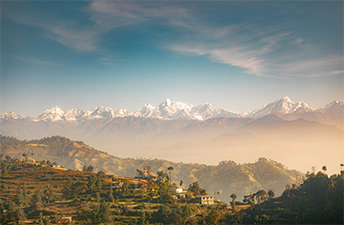
Nepal, often known for its majestic mountains, holds a deeper treasure beyond its landscapes—its cultural soul. Rooted in centuries of tradition, the culture of Nepal is a beautiful blend of faith, art, and community life. Walking through its ancient cities or quiet villages, travelers are greeted not only by warm smiles but also by the echoes of rituals, festivals, and age-old customs that continue to shape daily life.
At the heart of Nepalese culture lies a deep connection to spirituality. Hinduism and Buddhism, the two dominant religions, influence everything from architecture to social customs. The Kathmandu Valley, a UNESCO World Heritage Site, is home to sacred temples like Pashupatinath and iconic stupas like Boudhanath, where centuries-old practices are still observed with devotion. These places are not just tourist sites—they are living centers of faith.
Festivals in Nepal are vibrant reflections of its spiritual and communal life. Events like Dashain, Tihar, and Buddha Jayanti are celebrated with immense enthusiasm, bringing families and communities together. Each festival is rich in symbolism and ritual, offering visitors an opportunity to witness the values of respect, harmony, and gratitude that run deep in Nepalese society. Participating or simply observing these events offers insight into the local way of life.
Nepal’s cultural identity is also preserved through its art, music, and craftsmanship. In towns like Bhaktapur and Patan, traditional artisans still create intricate wood carvings, metalwork, and Thangka paintings, continuing the artistic heritage of their ancestors. Folk music and dance play a central role in community gatherings, particularly among indigenous groups like the Gurung, Tamang, and Newar.
To truly experience Nepal is to engage with its cultural heartbeat. From sharing meals with local families to exploring spiritual sites and learning about traditional crafts, travelers are invited not just to observe, but to participate. In doing so, they become part of a living story—one that honors heritage, celebrates faith, and thrives through community.